






Introducing a new vehicle-mounted platform, working in unfamiliar environments or changing how your teams operate can all affect workplace safety. These changes may occur long before your next scheduled risk assessment review.
The challenge is knowing which developments require a fresh assessment of the risks involved.
In our previous article, we explored how to structure a workplace risk assessment for operations involving vehicle-mounted Mobile Elevating Work Platforms (MEWPs).
Once that assessment is in place, it needs to reflect the conditions your teams encounter on site. After all, an assessment prepared for one set of working conditions may no longer adequately address the risks when those conditions change.
When Does European Legislation Require You to Review Your Risk Assessment?
The EU Framework Directive 89/391/EEC establishes the general principles of occupational risk prevention. Under Article 6, employers must adapt their protective measures to changing circumstances and work towards improving existing safety arrangements.
The Work Equipment Directive 2009/104/EC further establishes minimum safety requirements for equipment used at work, including machinery designed for working at height.
Together, these provisions provide a common European framework for assessing occupational risks and selecting suitable work equipment.
A review may be necessary when:
- Working conditions change, introducing hazards or altering employees' exposure to existing risks.
- New equipment or technology is introduced, requiring different operating procedures or protective measures.
- An incident or new information reveals shortcomings in the existing assessment or safety arrangements.
- Changes to work organisation or operating methods affect the way employees perform their tasks.
The precise obligations, review intervals and documentation requirements depend on the legislation applicable in each country.
In Great Britain, for example, the Health and Safety Executive (HSE) recommends reviewing risk assessments when workplace conditions change, existing controls become ineffective or accidents and near misses reveal new concerns.
The same principle applies throughout effective risk management: the assessment should remain aligned with actual working conditions rather than simply follow an administrative timetable.
Changes in Location, Equipment or Working Methods: What Should Prompt a Review?
Not every new project, equipment hire or change to working hours requires a complete reassessment.
What matters is whether the change introduces additional hazards, affects existing risks or makes current preventive measures less effective.
The following situations illustrate when a closer examination may be needed.
Working in a Different Operating Environment
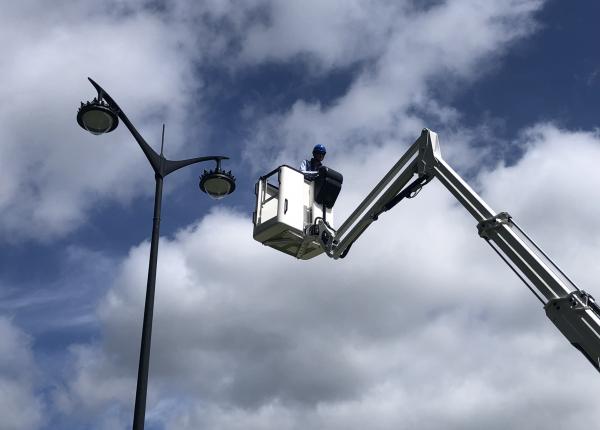
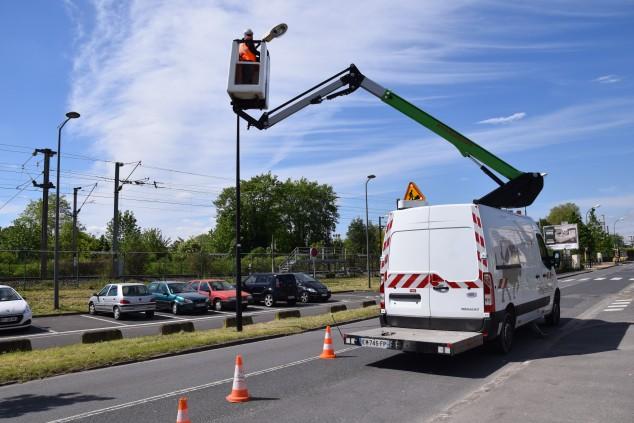
Consider a team accustomed to maintaining street lighting from established roadside surfaces. A new contract now requires them to work from road verges or areas of made-up ground.
Although the tasks performed from the platform remain largely unchanged, the conditions supporting the vehicle and its outriggers may be considerably different.
Your assessment should therefore consider:
- Ground-bearing capacity and stability.
- The suitability of outrigger positions and supporting surfaces.
- Proximity to passing traffic.
- The feasibility of establishing safe working zones and appropriate traffic management.
The International Powered Access Federation (IPAF) addresses these considerations in its guidance on assessing ground conditions and supporting structures.
The guidance highlights the importance of checking whether the ground can safely support a MEWP throughout its operating configurations.
Your existing risk assessment may already identify the possibility of overturning. However, recognising a hazard does not necessarily mean that every new operating situation has been adequately assessed.
Where ground conditions, exposure levels or control measures change, that risk may require further evaluation.
Introducing a Different MEWP or Modifying Existing Equipment
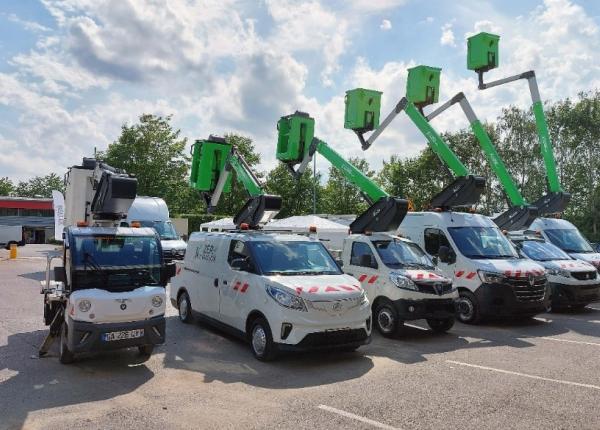
Adding a new vehicle-mounted platform to your fleet deserves particular attention when its footprint, stabilisation requirements or emergency procedures differ from those of your existing equipment.
Such differences can affect where the vehicle can be positioned, which manoeuvres are possible and how personnel must organise their activities around the work area.
At KLUBB, we recommend starting with the manufacturer's operating instructions and the tasks your operators are expected to perform.
This allows you to establish whether existing procedures, operator competencies and emergency arrangements remain appropriate.
The same approach applies when hiring equipment for a specific project or making modifications to an existing platform.
Under Directive 2009/104/EC, employers must consider the suitability of work equipment for the intended tasks and the risks associated with its use.
Whether the change requires a formal update to your documented assessment will depend on its implications and the applicable national requirements.
Changes to Working Arrangements or Operating Procedures
Working methods can evolve even when the equipment remains the same.
Moving from daytime to night-time operations, for instance, introduces considerations relating to visibility, fatigue and team coordination.
These factors may affect platform manoeuvres, monitoring of the surrounding environment and communication between operators and ground personnel.
Changes to the tasks carried out inside the platform basket, or to the allocation of responsibilities among team members, may also require a review of existing safety and emergency arrangements.
When assessing these developments, focus on how work is actually performed and whether employees have the equipment, information and support needed to work safely.
| Change identified | Areas requiring reassessment |
|---|---|
| Operations on made-up or filled ground | Ground-bearing conditions and site assessment |
| Introduction of a different MEWP model | Vehicle positioning, operating procedures and emergency arrangements |
| Transition to night-time operations | Visibility, fatigue and team coordination |
Can an Incident Trigger a Risk Assessment Review?
Imagine an outrigger beginning to sink into the ground during an operation. The team stops work before anyone is injured.
Although no harm has occurred, the incident provides valuable information that deserves investigation.
Were the ground conditions assessed correctly? Could existing procedures have helped the operators identify the problem before raising the platform?
The answers may reveal that a particular risk has been underestimated or that an existing control measure is insufficient.
In such circumstances, the assessment should be reviewed to determine whether additional preventive measures are necessary.
IPAF's MEWP Ground Conditions Toolbox Talk specifically addresses the consequences of unsuitable ground conditions and the precautions needed to reduce the risk of overturning.
The HSE also highlights the importance of investigating accidents and near misses to identify weaknesses in existing arrangements and prevent similar incidents.
To make effective use of these findings, establish clear reporting procedures so that operators' observations, near misses and technical concerns reach those responsible for assessing risks.
Does Every New Worksite Require a Risk Assessment Update?
Every operation requires appropriate preparation, including an assessment of ground conditions, access routes, surrounding obstacles and the suitability of the MEWP for the intended tasks.
Our article on the essential on-site checks before operating a MEWP explores these preparatory measures in greater detail.
However, moving to a different location does not necessarily require you to rewrite your entire workplace risk assessment.
The relevant question is whether the new conditions introduce hazards or change exposure levels in ways that are not adequately covered by existing assessments and procedures.
A finding from a single worksite may be sufficient to justify a review if it reveals a previously overlooked hazard.
Risk assessment and operational planning should therefore inform one another.
Your documented assessment helps establish safe working procedures, while observations made on site provide opportunities to test and improve those procedures.
What Should You Change When a Review Is Necessary?
When new circumstances require a review, we recommend examining the affected operations with your operators and supervisors.
The following process can be adapted to your organisation and the requirements applicable in your country.
- Review the hazards and identify who may be exposed. Consider whether the change introduces additional risks or affects other groups of workers.
- Reassess existing risks and control measures. Determine whether current precautions remain suitable and effective.
- Define the necessary corrective or preventive actions. Assign responsibilities and establish appropriate implementation deadlines.
- Document the review and communicate any changes. Record the relevant findings and ensure that affected employees understand the revised procedures.
The EU Framework Directive 89/391/EEC establishes principles covering risk assessment, preventive measures, worker information and consultation.
National legislation determines the detailed requirements for recording assessments, consulting employee representatives and retaining documentation.
For employers operating in Great Britain, the HSE's risk assessment guidance provides further information on documenting significant findings and reviewing control measures.
For your teams, the outcome of this review should be reflected in everyday operations.
That might mean introducing more thorough ground assessments, revising emergency procedures or providing equipment better suited to night-time work.
By translating lessons learned on one site into practical preventive measures, you can improve the safety of future operations and help your teams approach each assignment with a clearer understanding of the risks involved.