




Utilities
The utilities sector is any industry related to the delivery of essential infrastructure services to end use customers..
Who we are
We are green
KLUBB dealers
The utilities sector is any industry related to the delivery of essential infrastructure services to end use customers..
If you work in utilities - electricity distribution, gas networks, water, sewage - you already know the constraint: you cannot afford downtime. You operate in regulated, public-facing environments, and you need an access solution that is predictable, repeatable, and safe across hundreds of interventions.
For you, an aerial work platform is a mobile workstation that helps your crew arrive, secure the area, access the asset, and restore service with minimum friction.
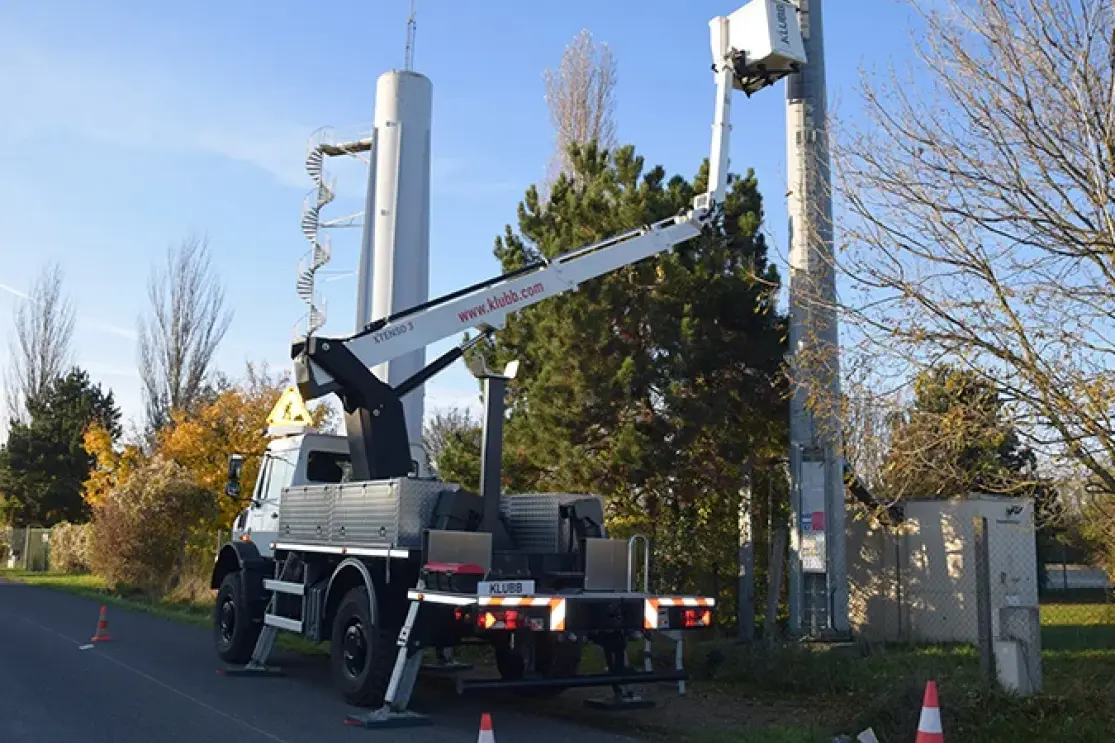
When you need to access poles, overhead lines, transformers, substations, or street cabinets, you rarely work “straight up”. You often need lateral outreach to reach the asset without constantly moving the vehicle.
When your intervention happens in tight urban streets, you deal with traffic, pedestrians, street furniture, and fragile surfaces. You need stable positioning with a controlled footprint, and a working envelope you can manage safely in public space.
When you are responding to a fault, speed matters, but so does consistency. The more your platform reduces repositioning and simplifies set-up, the faster you get productive—and the sooner you return the network to normal.
You choose a telescopic aerial platform because it gives you more horizontal offset (lateral outreach). That single capability helps you reach assets over obstacles, work around street constraints, and keep the vehicle positioned where it is most practical and safest.
And in utilities, fewer vehicle moves usually means fewer risks: less time exposed in the roadway, less complexity in traffic management, and a more repeatable routine for your team.
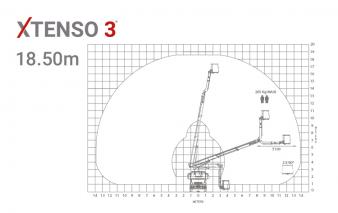
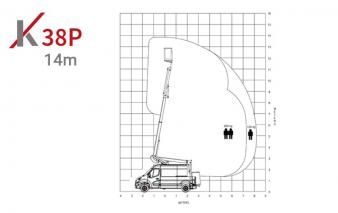
When you evaluate a platform, look beyond the headline working height. Ask what lateral outreach you get at a realistic basket load, because your job is often “up and over”, not just “up”.
If your operators carry tools, components, and sometimes two-person workflows, basket capacity becomes a productivity variable. A realistic capacity reduces trips to ground and compresses intervention time.
If you work kerbside or under partial lane closure, stabilisation strategy affects where you can operate and how fast you can start. In public areas, you also need to manage exclusion zones and falling-object risk as part of your normal method of work.
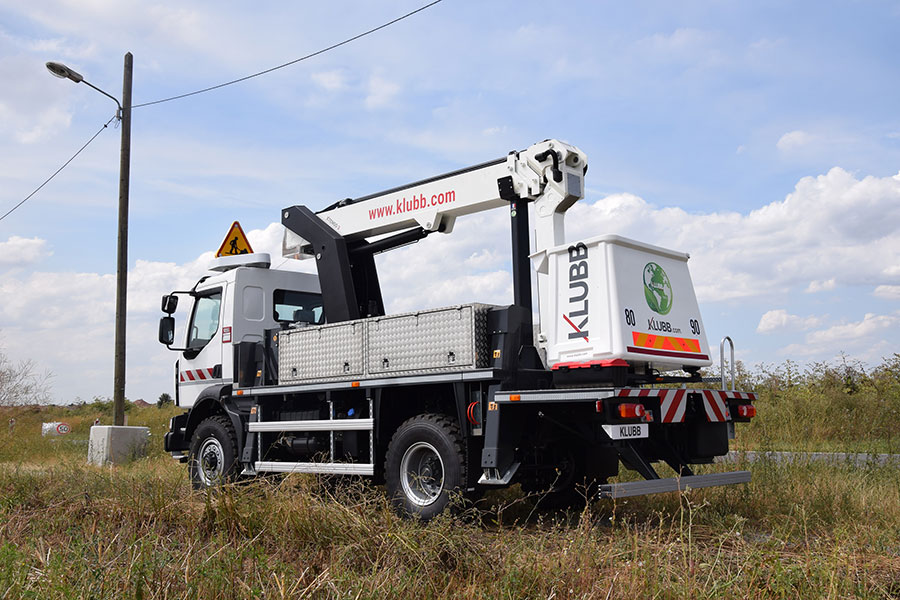
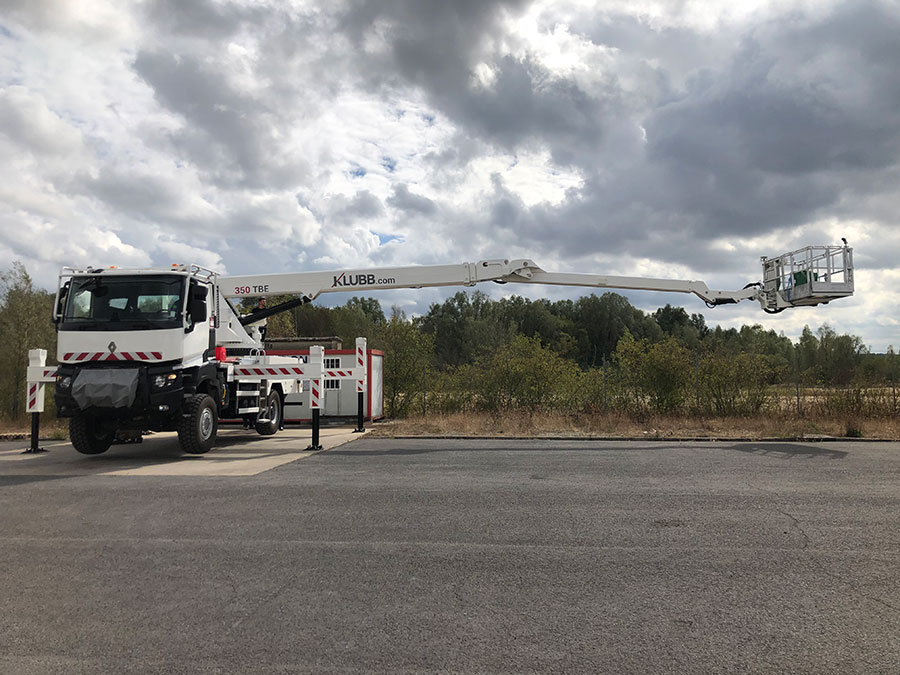
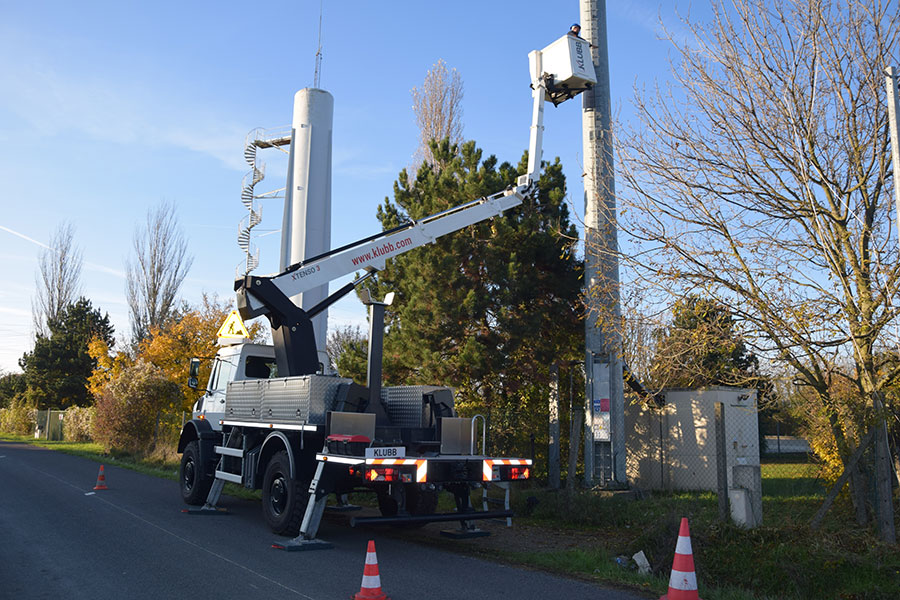
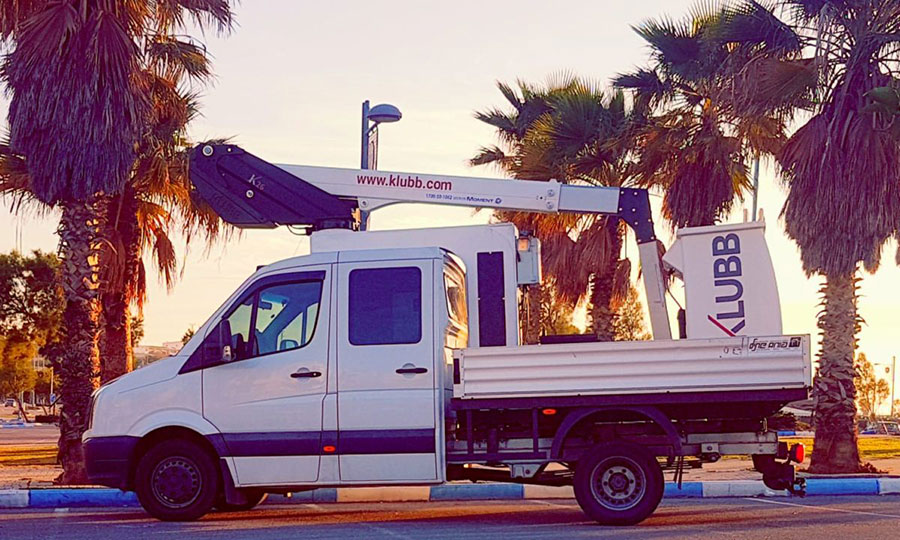
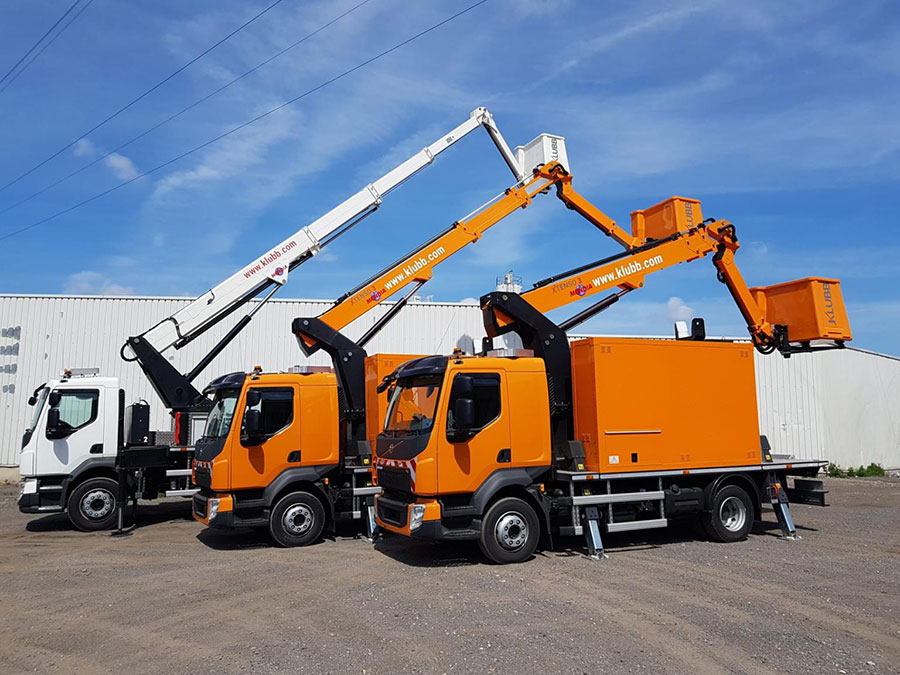
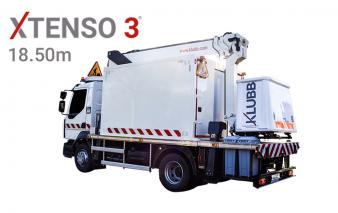
18.5 Meters Truck Mounted Platform (60’70”)
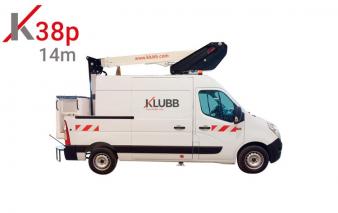
14 Meters Van Mounted Boom Lift (45’93”)